

Residential Plots in DLF Phase 2, Gurgaon
Verified plots for sale in DLF Phase 2, Gurgaon (Gurugram), in the ₹4 Cr to ₹7.5 Cr range. Curated, personally inspected inventory with honest price guidance, connectivity and the DLF Phase 2 sector map.
Residential Plots in DLF Phase 2
Current curated plot inventory in DLF Phase 2, Gurgaon.
Why buy a plot in DLF Phase 2
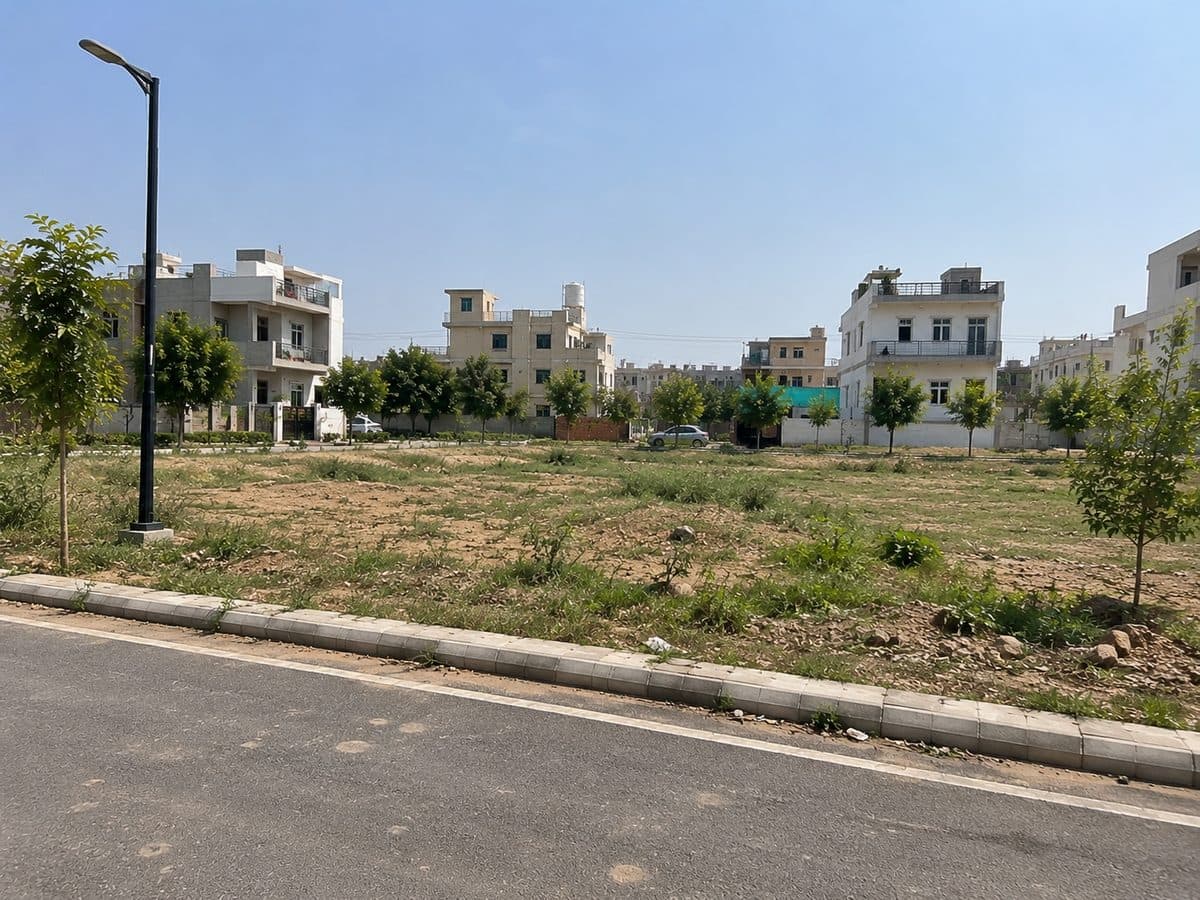
DLF Phase 2 is one of Gurgaon’s most established ultra-luxury addresses, known for wide roads, mature greenery and large independent plots. Builder floors here sit on 300 to 500 sq yd plots with generous 3 and 4 BHK layouts, favoured by end users and long-term investors alike.
Connectivity
- Sikanderpur Metro2 km
- Cyber Hub5 min drive
- NH-483 km
Residential Plots in other Gurgaon localities
Residential Plots in DLF Phase 2, FAQs
Residential Plots in DLF Phase 2 typically fall in the ₹4 Cr to ₹7.5 Cr range, depending on plot size, floor, configuration and condition. Optimal Realty shares live, verified pricing for each option rather than a teaser figure.
Yes. We carry ready-to-move and select under-construction plots in DLF Phase 2, plus off-market options that are never listed publicly. Share your budget and an advisor will send a curated, verified shortlist.
Ultra-luxury builder floors on 300 to 500 sq yd plots, minutes from Cyber Hub. An Optimal Realty advisor, active in Gurgaon since 1996, can weigh DLF Phase 2 against nearby corridors on price, connectivity and resale before you commit.
Looking for a plot in DLF Phase 2?
Share your budget and requirements for a curated, verified shortlist, including off-market options.